Is Cervical Cancer Symptoms - Stages Of Cervical Cancer Symptoms Identification And Preventive Methods - Early on, typically no symptoms are seen.
Dapatkan link
Facebook
X
Pinterest
Email
Aplikasi Lainnya
Is Cervical Cancer Symptoms - Stages Of Cervical Cancer Symptoms Identification And Preventive Methods - Early on, typically no symptoms are seen.. Almost all cervical cancer is caused by infection with human papilloma virus (hpv). The symptoms you have depend on where the cancer is in your body. Because it can stay hidden, it's important to start getting regular cervical cancer screening at age 21, regardless of how old you were when you first. The cancer might invade other tissues and organs. When this happens, the most common symptoms are
Routine pap screening is important to check for abnormal cells in the cervix, so they may be monitored and treated as early as possible. The number of cases diagnosed each year has mostly fallen over recent years. What's more, cervical cancer tends to be. Although most infections with hpv resolve spontaneously and cause no symptoms, persistent infection can cause cervical cancer. Cervical cancer affects the entrance to the uterus.
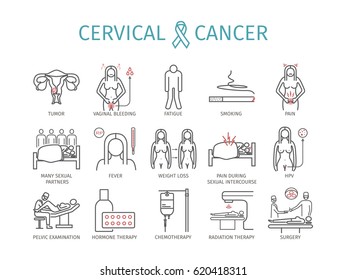
Cervical Cancer Symptoms High Res Stock Images Shutterstock from image.shutterstock.com What's more, cervical cancer tends to be. Menstrual bleeding may be heavier than. Learn about the causes, symptoms, and treatments. The first symptom of cervical cancer is usually abnormal bleeding from the vagina, most often after sexual intercourse. Spotting or heavier bleeding may occur between periods, or periods may be unusually heavy. If the cancer progresses, symptoms may manifest as back pains, leakage of urine, fatigue, weakness and pain in the lower abdomen. Cervical cancer will strike more than 12,000 women in the united states this year. The cancer might invade other tissues and organs.
Routine pap screening is important to check for abnormal cells in the cervix, so they may be monitored and treated as early as possible.
Author reyus mammadli modified by october 24, 2016. Because it can stay hidden, it's important to start getting regular cervical cancer screening at age 21, regardless of how old you were when you first. Cervical cancer is a type of cancer that occurs in the cells of the cervix — the lower part of the uterus that connects to the vagina. For this reason, regular screening through pap and hpv tests can help catch precancerous cell changes early and prevent the development of cervical cancer. Learn more about the causes, symptoms, diagnosis, treatment, prevention cervical cancer happens when cells change in women's cervix, which connects thier uterus with vagina. The cervix is the narrow channel that forms the lower end of the uterus.) Hematuria or rectal bleeding may occur. Even if the cancer is advanced and a cure is not possible, radiotherapy may still have a place to ease symptoms. Routine pap screening is important to check for abnormal cells in the cervix, so they may be monitored and treated as early as possible. If cervical cancer is diagnosed, relieving symptoms remains an important part of cancer care and treatment. It is often started soon after diagnosis and continued throughout treatment. Cervical dysplasia and cancer of the cervix often have no symptoms. Other symptoms of cervical cancer may include pain and discomfort during sex, unusual or unpleasant vaginal discharge, and pain in your lower back or pelvis.
Changes to vaginal discharge >. Symptoms of preinvasive cervical cancer do not have specific signs. For this reason, regular screening through pap and hpv tests can help catch precancerous cell changes early and prevent the development of cervical cancer. Precancerous cervical cell changes and early cancers of the cervix generally do not cause symptoms. Hpv can damage the cells that line the cervix.
Cervical Cancer Symptoms Amayra Gupta Flickr from live.staticflickr.com Cervical cancer presents a special challenge because you may not notice any signs or symptoms, especially when the condition is in its earliest stages. Mcdonald talks about some of the common symptoms of cervical cancer, such as abnormal bleeding. Cervical cancer may not produce any symptoms or signs. Hpv can damage the cells that line the cervix. Pap tests and the hpv vaccine have helped lower rates of the disease, but it's important to watch for subtle symptoms like (anatomy refresher: It is due to the abnormal growth of cells that have the ability to invade or spread to other parts of the body. Symptoms of preinvasive cervical cancer do not have specific signs. Cervical cancer is a type of cancer that occurs in the cells of the cervix — the lower part of the uterus that connects to the vagina.
Symptoms may develop when the cervical cancer cells start to invade surrounding tissues.
Most women are advised to schedule a pap test starting at age 21. Another symptom attributable to advanced cervical cancer is pain in the lower abdomen, pelvis, or back. Louis has been recognized once again as a top. Menstrual bleeding may be heavier than. Learn about the causes, symptoms, and treatments. The cervix is the narrow channel that forms the lower end of the uterus.) Early on, typically no symptoms are seen. Get detailed information about cervical cancer treatment in this summary for clinicians. Cervical cancer presents a special challenge because you may not notice any signs or symptoms, especially when the condition is in its earliest stages. The cancer of the cervix is most common in women over the age of 30. Routine pap screening is important to check for abnormal cells in the cervix, so they may be monitored and treated as early as possible. Cervical dysplasia and cancer of the cervix often have no symptoms. This may be called palliative care or supportive care.
Cervical cancer accounts for about 20% of all gynecologic cancers. Although most infections with hpv resolve spontaneously and cause no symptoms, persistent infection can cause cervical cancer. Symptoms often do not begin until the cancer becomes larger and grows into nearby tissue. It occurs most commonly in women over 30 years. The symptoms of cervical cancer are not always obvious, and it may not cause any at all until it's reached an advanced stage.
Cervical Cancer Risk Factors Cervical Cancer Symptoms Check4cancer from www.check4cancer.com Cervical cancer is the fourteenth most common type of cancer in women in the uk. Early on, cervical cancer may not cause signs and symptoms. Routine pap screening is important to check for abnormal cells in the cervix, so they may be monitored and treated as early as possible. Author reyus mammadli modified by october 24, 2016. Cervical cancer happens when unusual cells on the cervix outgrow control. Cervical cancer is a type of cancer that occurs in the cells of the cervix — the lower part of the uterus that connects to the vagina. They may be used alone or in combination depending on tumor volume, spread pattern, and figo staging. If cervical cancer is diagnosed, relieving symptoms remains an important part of cancer care and treatment.
If the cancer progresses, symptoms may manifest as back pains, leakage of urine, fatigue, weakness and pain in the lower abdomen.
The symptoms you have depend on where the cancer is in your body. The symptoms of cervical cancer are not always obvious, and it may not cause any at all until it's reached an advanced stage. Cervical cancer is a type of cancer that occurs in the cells of the cervix — the lower part of the uterus that connects to the vagina. Another symptom attributable to advanced cervical cancer is pain in the lower abdomen, pelvis, or back. Although most infections with hpv resolve spontaneously and cause no symptoms, persistent infection can cause cervical cancer. The cancer might invade other tissues and organs. In particular, early stage cervical cancers, like precancerous changes, typically do not produce symptoms. Other symptoms of cervical cancer may include pain and discomfort during sex, unusual or unpleasant vaginal discharge, and pain in your lower back or pelvis. Cervical cancer doesn't typically cause noticeable symptoms in the early stages of the disease. What are the symptoms of cervical cancer? The hpv virus is believed to spread in people who are sexually active, and. The cancer of the cervix is most common in women over the age of 30. If the cancer progresses, symptoms may manifest as back pains, leakage of urine, fatigue, weakness and pain in the lower abdomen.
Why Is Breast Cancer More Common After Menopause : Epidemiological Characteristics Of And Risk Factors For Breast Cancer Bctt : Why are so many women getting breast cancer? . While young women do get breast cancer, the disease is much more common in women aged 60 and older. Women who go through menopause later in life have an increased risk of breast cancer compared to women who go through menopause earlier. In other words, the tissue becomes less dense, more fatty, and starts to sag. Doctors in 147 specialties are here to answer your questions or offer you advice, prescriptions, and more. Why is uterine cancer more likely after menopause? Rachel freedman, md, mph, treats patients with breast cancer, focusing on the. Find out how to manage the effects. Why are so many women getting breast cancer? After menopause, the ovaries stop producing estrogen, but contrary to popular conception, your body still makes the hormone. The most common reproductive cancer in women, ut...
Does Prostate Cancer Always Come Back - Prostate Cancer And Sex Possible Problems And Management / • may come and go or be constant. . The completion of prostate cancer treatment can bring both relief and worry. In theory, prostate cancer cells can spread anywhere in the body. And it can show up anywhere in your body. What it does mean is that you'll likely have to try another. Prostate cancer can recur locally (in the area immediately surrounding the prostate) or distantly (anywhere else in the body). Erectile dysfunction following radical prostatectomy for clinically localized prostate cancer is a known potential complication of the surgery. In practice, though, prostate cancer metastasis occurs most often in the lymph nodes and the bones. So, to be cured, my psa must go to zero and stay there. However, prostate cancer comes in many forms, and some men can have aggressive prostate cancer even when it appears to be confined to the prostate. This is sometimes cal...


Komentar
Posting Komentar